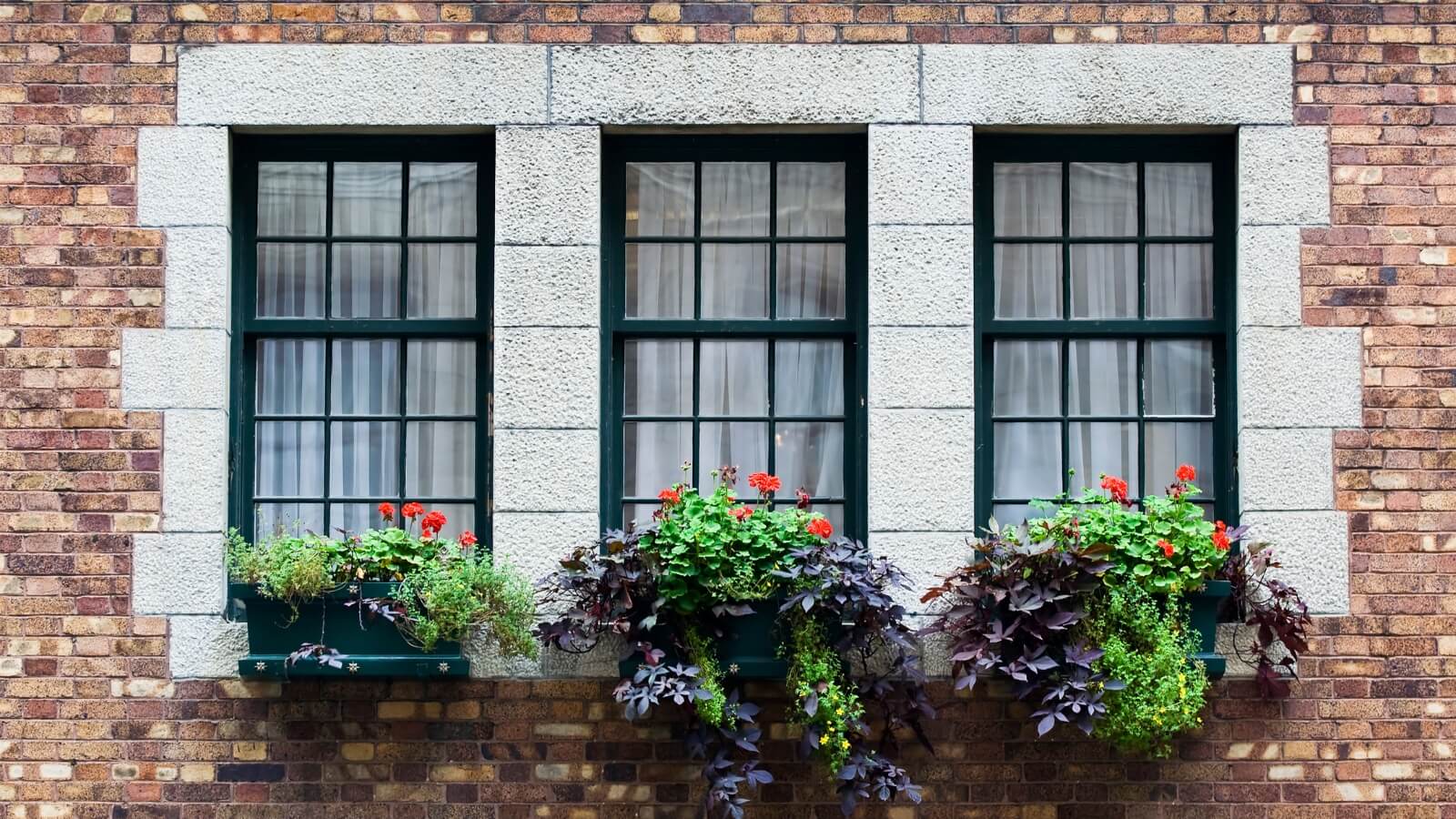
Regardless of whether you just invested in a new set of windows, or are a homeowner interested in looking after the ones you’ve had for years–cleaning and caring for your windows is important. It’s easy to forget about your windows once they’re in, but spending some time each year on general maintenance can extend their lifespan, prevent damage, and make them easier to enjoy and operate.
Read on to learn more about the recommended safety precautions, cleaning techniques, and general care tips practiced by the team of window professionals at Standard Windows & Doors.
How to Care For Your Windows: A Comprehensive Guide
Safety Precautions to Always Take
Although windows are built to withstand some levels of intense weather or impact, that doesn’t mean they’re invincible. To prevent your windows from accidentally breaking, there are precautions you can take to better protect them from accidental damage:
Trim Overhanging Branches
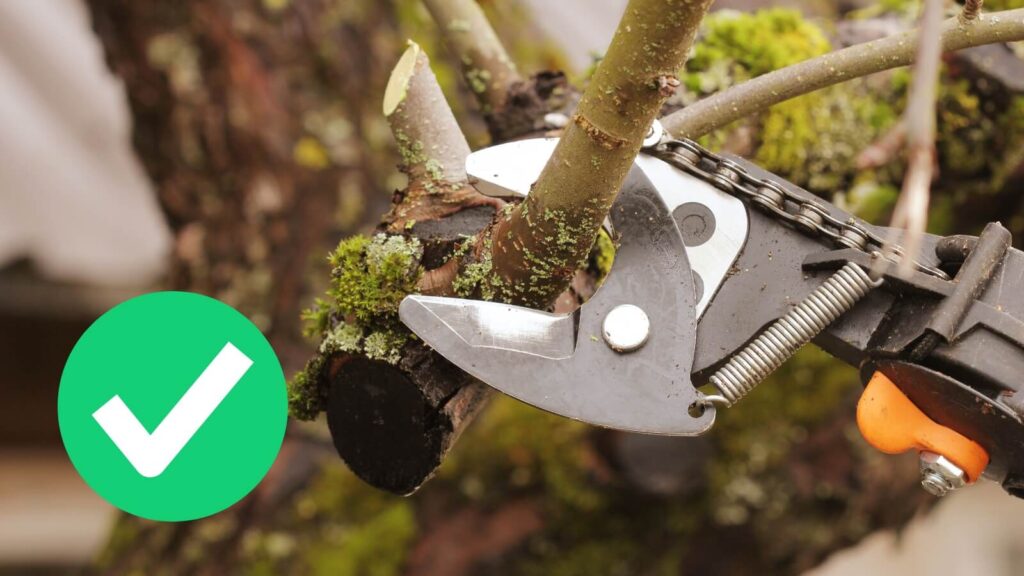
Dead or low-hanging branches run the risk of potentially breaking off and crashing into your windows during storms or high winds, so you’ll want to trim them periodically. You don’t have to go crazy and hack down all your trees—just evaluate branches around your home and determine which ones have the potential to fall.
When you figure out what you’d like to take down, try to cut the branches closer to the trunk, as opposed to halfway down the branch. (It’s actually healthier for the tree and can promote better healing.)
Periodically Reapply Caulk and Weather Stripping
If you’ve had your windows for a while, there’s a high likelihood that the caulk around them has cracked or deteriorated. Over time, the moisture that’s getting through can cause serious damage to your window and frame. You’ll want to inspect your window caulk every year to make sure it’s holding up, and likely reapply every three to five years.
We recommend using silicone caulk—it’s a great option for exterior windows because it’s waterproof and maintains its flexibility despite temperature fluctuations, UV exposure, and moisture. Luckily, caulking your windows is something you can do yourself! All you’ll need is a caulking gun, the caulk itself, and a rag or caulking tool.
Pro tip: If you want your caulk lines to be extra clean and straight, put painters’ tape along the edges of the window frames before caulking.
Consider Getting Storm Shutters

If you live in an area that is prone to storms and high winds—or you just simply want to better protect your windows—then you may want to consider getting storm shutters (also known as hurricane shutters). When debris starts flying about during inclement weather, these shutters go over your windows and safeguard them from damage. Some are permanent fixtures, like roll-down and accordion shutters, while others, like storm panels, can be put up and down as needed.
Pro tip: What type of storm shutter you choose is very dependent on the weather in your area. Southern Wisconsin, for example, is more prone to tornadoes, and homeowners may want to consider adding storm shutters year-round. Meanwhile, Western Wisconsin is less prone to severe weather, so homeowners may only want storm panels for the rarer instances of storms.
Annual Window Maintenance Checklist
Taking the time to care for and look after your windows can significantly extend their lifespan. We recommend that, once a year (preferably in the fall or spring), you run through this basic maintenance checklist:
- Check the interior and the exterior of your windows for any signs of damage
- Make sure any and all exposed hardware is tightened securely.
- Clear any dust, dirt, or sand from the window hinges, sills, and tracks.
- Check that screens are securely fastened and that there are no tears in the mesh.
- Test that your windows open and close smoothly.
Signs Your Windows Need to Be Repaired or Replaced
Oftentimes, problems with your windows aren’t as overtly obvious as a shattered pane of glass. There can be subtle clues pointing you towards the need for a repair or a replacement. In order to catch these indicators early on, during window maintenance, keep a lookout for signs such as:
- Your window is difficult to operate.
- You feel uncomfortable drafts, especially in the winter.
- Your energy bills are higher than normal.
- You can hear a lot of outside noise.
- Your windows are foggy or covered in condensation.
Cleaning Your Windows
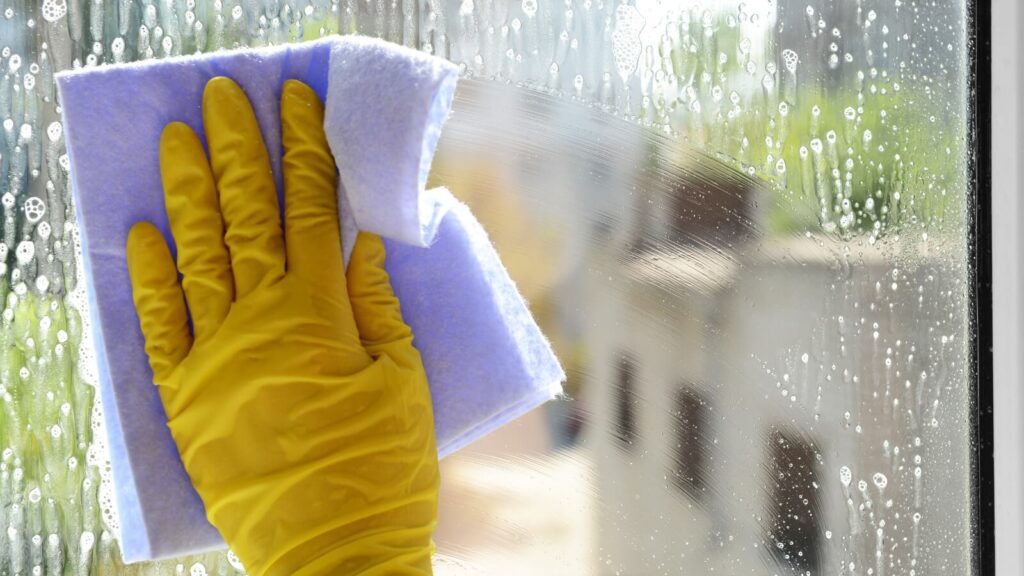
One of the best things you can do for your windows is keep them clean! Not only does it help them look good and allow natural light to shine through more easily, but it also prevents corrosive elements, such as mineral deposits, hard water stains, and pollutants from damaging your windows.
Living in Wisconsin, it’s recommended that you clean your windows at least twice a year. (But you’re always welcome to clean them more!) It’s usually best to do them once in the spring, to remove the dust and pollen from the summer, and once in the fall, to remove the dirt that accumulates over the winter.
How to Clean Window Glass
If you want to be able to see out your window, you’ve got to clean the glass! To do so effectively, we recommend that you:
- Start by rinsing the glass surface with clean water from top to bottom
- Apply the cleaning solution of your choice with a sponge or soft brush. Make sure to apply uniform pressure.
- Promptly rinse the glass with clean water. (Try not to allow the cleaning solution to puddle on the frame.)
- Wipe the glass dry with a lint-free, soft cloth or microfiber cloth. Use a separate cloth to dry the frame and sill off.
- If necessary, repeat the steps above until the window glass is clean.
Pro tip: The process for cleaning window glass also works for cleaning interior and exterior vinyl window surfaces, such as the sill, frame, or grilles!
How to Remove Labels From Glass
If you’ve ever gotten new windows, then you know the struggles of dealing with the finicky sticker that refuses the budge from the corner. To remove it, slowly peel it from one corner—if the label tears or part of it sticks (as they’re prone to), moisten it with soapy water and gently scrape at it with a dull plastic knife.
How to Remove Latex Paint Drips From Glass
There’s nothing worse than seeing the dreaded latex paint drip on glass after a recent home project. Luckily, that spot is not permanent: soak the dried paint with a warm water and soap solution, then wipe with a damp cloth. If needed, you can scrape at it with a dull plastic knife. (Just be careful not to scratch the glass!)
How to Clean Window Screens

A dusty or dirty window screen can block your view of the outside world just as much as a dirty pane of glass would. It’s recommended that you clean them at the same time you do your windows. Here’s how you should give them a refresh:
- Remove the screen from the frame.
- Place them on the lawn or on your driveway if you want to clean them outside. If you’re cleaning them inside, put them in the shower or tub.
- Spray the screen with a hose or let water from the faucet run over it.
- Brush lightly with a soft-bristle brush. If there are stubborn dirt spots, use a mild soap.
- Rinse off any remaining soap and let the screen dry before reinstalling.
How to Clean Window Hardware
Window hardware may be small, but that doesn’t mean it isn’t important—it’s holding your window together, after all!
- If you want, remove hardware for easier or more intensive cleaning.
- Use a mixture of water and a mild soap, and scrub with a sponge. For more stubborn spots, use a soft-bristle brush.
- Rinse and repeat if needed, then wipe the hardware dry before reapplying. If you left the hardware on the window, make sure you dry off the frame.
- Apply a few coats of a window lubricant, or car wax if you have it handy.
Pro tip: Applying lubricant to the hardware will help reduce wear and friction on your window, ensuring that over time, it doesn’t become difficult to maneuver.
How to Clean Wood Window Surfaces
If you have a wood window frame, you may be wondering how to clean it. Luckily, the process is not so complicated.
- Remove surface dirt with a quick swipe of a paper towel.
- Use water, a wood cleaner, and a soft-bristle brush to remove tough spots. If needed, a toothbrush can be used to get into tinier crevasses.
- Rinse off any remaining cleaner with water when finished. (The finish runs the risk of being damaged if not removed.)
Recommended Window Cleaning Products

With so many window cleaning products to choose from, it may be stressful trying to determine what you should use and when. Luckily, it’s easy to make a cleaning solution from things you already have at home. You can always mix 1 teaspoon of a mild liquid soap with a gallon of water, or you can combine equal parts water and white vinegar.
If you want to save yourself time and just pick something up from the store, here are some of our favorite window cleaning products and tools:
| Cleaning Products | Cleaning Utensils |
How to Keep Your Windows Streak-Free

There’s nothing worse than stepping away from a freshly cleaned window and seeing the dreaded streaks left behind. To prevent that from happening, avoid cleaning glass that is in direct sunlight (especially tinted or coated glass windows). Doing so can cause the cleaning solutions to dry too quickly and leave behind residue, which then turns into streaks. If you can, it’s best to save cleaning for overcast days.
Pro tip: To further help prevent streakiness, never skip drying off the windows at the end with a towel or microfiber cloth!
Contact Standard Windows & Doors For All Things Windows
Unsure whether your windows need a repair or replacement? Want more care and cleaning tips? Curious about what types of windows will be the perfect fit for your home? Then contact the team at Standard Windows & Doors today. Our experts are always available to answer any questions or help find the perfect window solution to meet your unique needs.