
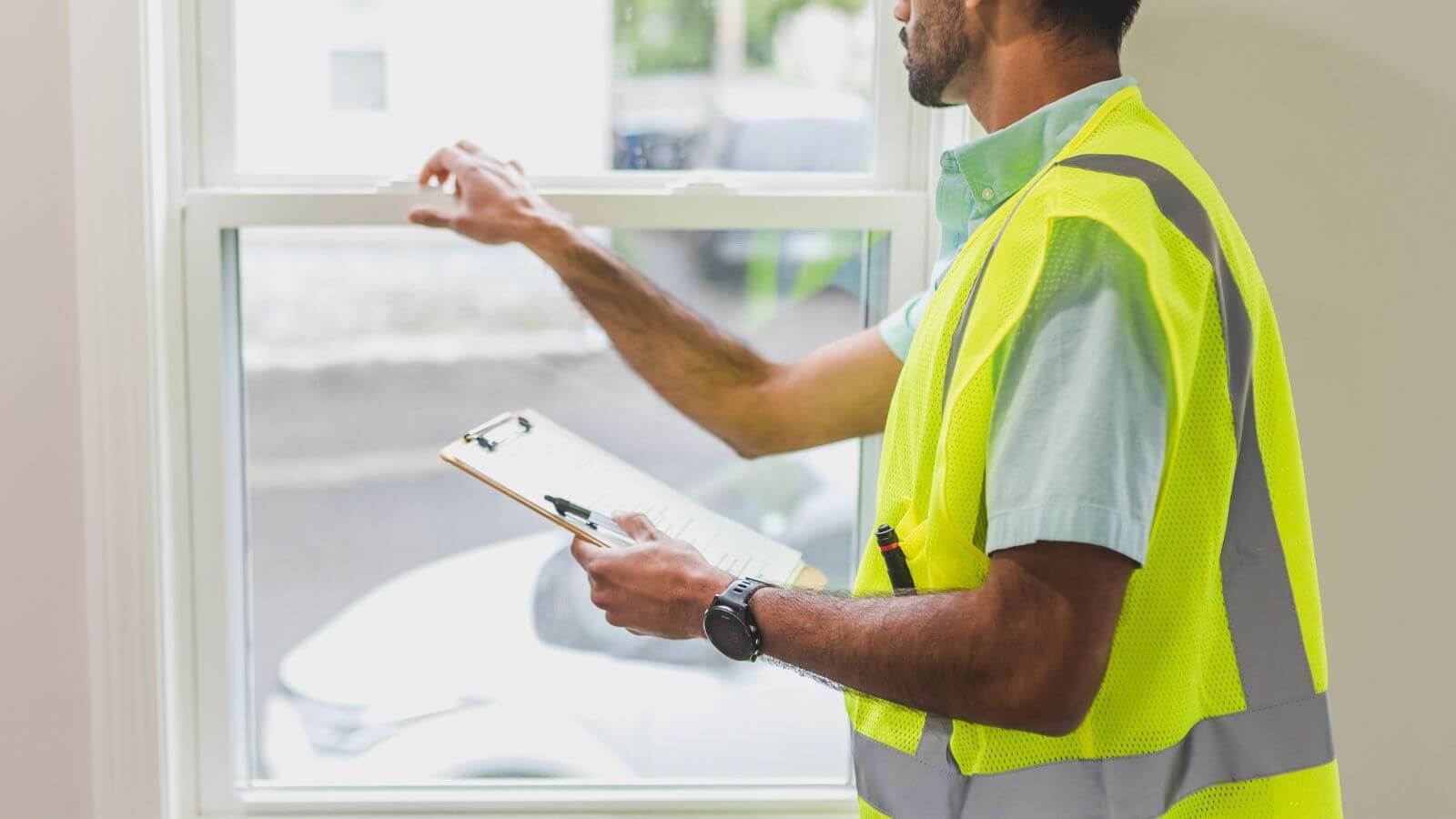
Are you thinking of replacing your windows or doors? Then you’ll likely need to schedule an in-home estimate consultation. The point of an in-home estimate is to give you a clear idea of how much you can expect to pay for your new windows or doors—it is not meant to be an aggressive sales pitch.
An estimator will come by and give you a dollar amount that’s calculated based on the number of windows or doors you need, as well as the size, style, quality, and more. Read on to learn what to expect from the process and how you can prepare accordingly.
How Long Should an In-Home Estimate Take?
You can expect an in-home estimate to take anywhere from 45 to 90 minutes. This will give the estimator plenty of time to gather information—and the more they gather, the more accurate their estimate will be.
Be wary of shady estimators that give you an amount too quickly (especially if it’s suspiciously low). Their estimate is probably incorrect, or they’re deliberately trying to make you think you’re going to pay less than you are. Once you agree to that amount, there will likely be extra unmentioned “fees” down the road.
Why Shouldn’t Estimates Be Done Over the Phone?
Although it may seem a lot easier to just do an estimate over the phone, it should be done in person. Here’s an example of why:
Let’s say you tell a contractor over the phone that you want a picture window replaced in your living room. The estimator gives you a quote for $500 to $600. However, it’s not until the day of the installation that they discover that the frame is rotted and needs to be replaced, adding several hundred dollars to the final cost you didn’t budget for.
What Happens During a Window or Door Estimate?
1. Initial Conversation
The in-home estimate will begin with a conversation about things like your home, budget, and window or door preferences. They’ll ask questions such as:
- Do you have any rooms that feel uncomfortable or drafty?
- Are there rooms that get too much sun? Or not enough?
- Which windows or doors are hard to open or lock?
- What’s your budget?
- Do you have any preferred styles?
- How are your energy bills?
This conversation isn’t just small talk—it’s meant for them to get a better idea of your needs and challenges. For example, if you tell them that your living room is unbearably hot at 4 pm, they’ll likely recommend a smaller window with a protective UV coating, as opposed to a large bay window.
2. Thorough Inspection
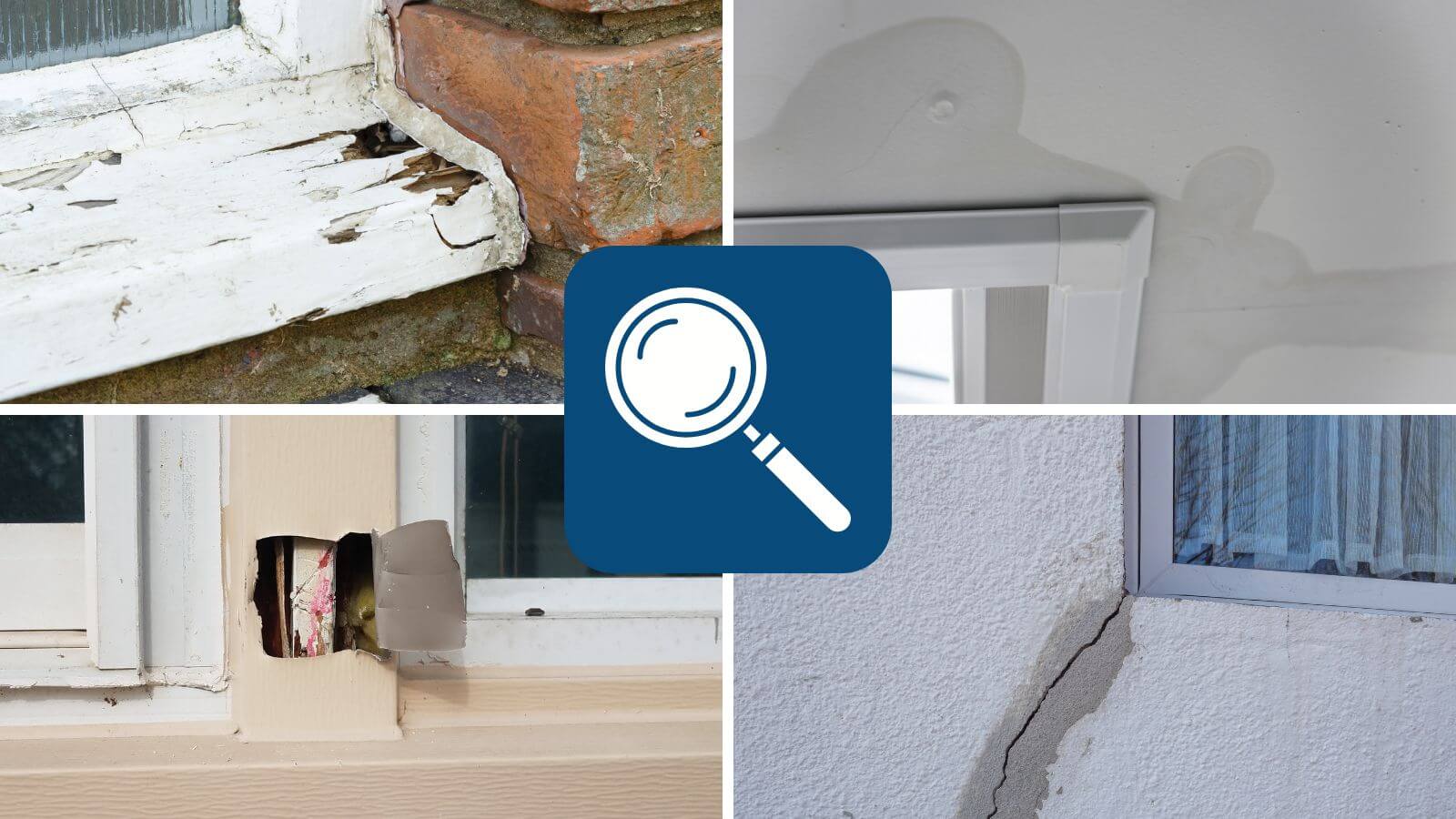
After the initial conversation, the estimator will begin their inspection. They’re checking to see if the windows can be installed in their existing frames, or if additional work will need to be done (which will add to the cost). They’ll look for things like:
- Installation errors from previous contractors
- Hidden water damage, such as rot
- Structural issues
- Damaged siding around the window or door area
Most of the time, it’s not all or nothing—a handful of the windows or doors may have structural frame issues, while the majority do not. That’s why an inspection is important to ensure no assumptions are made for the whole property.
3. Measurements
The estimator will then measure the width, height, and depth of each window or door opening. Getting precise and accurate measurements is important, and a good estimator will likely double- or triple-check their work. These measurements will later be used to specially manufacture your windows or doors.
4. Window or Door Options

After all the measurements have been taken, you’ll get to see your window or door options. The reason this step comes towards the end is that not every window or door type will work for every opening. Based on your inspection, your estimator may determine that the existing frame in the bathroom can only support a double-hung window, not a block window. (If you decide you want a block window anyway, then you can talk about replacing the frame.)
You’ll get to see window or door options, including, but not limited to:
- Frame materials (such as vinyl, wood, fiberglass, or composite)
- Double-pane or triple-pane options
- Low-E coatings (which block UV rays)
- Gas fills (a layer of argon gas adds extra insulation)
- Window or door types
5. Final Estimate
Once you’ve selected some window options, you’ll finally get an estimate. This may take a few business days, although depending on the scope of the project, it can sometimes be shared at the appointment.
The estimate should include a breakdown of the cost and include details like the cost of labor, any needed trim or repair work, and warranties. Remember, this estimate isn’t set in stone—if you feel like it’s too high, you can explore lower-cost window options. If you have more room in your budget, you can explore more expensive options.
How to Prepare for an In-Home Estimate
While there isn’t a lot you need to do to prepare for an in-home estimate, to make the process as seamless as possible, it’s recommended that you:
- Make sure every window or door is easily accessible; move anything that may be blocking it.
- Have a list of specific complaints ready, such as specifying which rooms are drafty or too hot.
- Put together a list of any HOA or historic-property rules. There may be limitations to your frame color or grid pattern.
Ready for an In-Home Estimate? Contact Standard Windows & Doors
Are you interested in learning how much it would cost to replace your windows or doors? Then contact Standard Windows & Doors today! We offer detailed estimates that give you an accurate expectation of the costs—that means no expensive surprises!
